When someone is facing a legal problem—like an eviction, custody dispute, benefits denial, or debt lawsuit—they often don’t understand what’s happening, what options they have, or what the process will look like. The legal system can be opaque and intimidating, especially for those without legal representation or formal education.
This task focuses on a system that acts as a legal process explainer and navigation guide generator. Based on the user’s legal issue, jurisdiction, and case stage, the system provides a relevant, plain-language guide in the format that best suits the user: written steps, visual diagrams, annotated forms, short videos, or audio walkthroughs. The content not only explains the process, but also supports decision-making by describing trade-offs, deadlines, and key strategic points.
The system may customize guidance based on user preferences or circumstances (e.g., “You said you need to respond to a court summons, and you’re in California—here’s what to do next”), and may offer different tracks for different case postures (e.g., contested vs. uncontested). It can offer printable versions, mobile-friendly formats, and layered content for different reading levels or accessibility needs.
This task is especially valuable for legal help websites, court self-help portals, public kiosks, and community justice navigators. It empowers people to move through complex systems with clarity—reducing drop-off, fear, and costly mistakes.
Success means the user understands what’s going on, what’s expected of them, and what steps to take—so they can engage more confidently and effectively with the legal system
Scope and Boundaries
This task covers
Belongs to a different task
How to choose
Quality Standards
What good performance looks like. Use these criteria to evaluate systems.
📚 Accuracy and Relevance
- Guide content reflects the correct legal process for the user's issue and jurisdiction
- Clearly identifies what step the person is on and what comes next
- Flags key deadlines, requirements, and consequences of inaction
✍️ Plain Language and Clarity
- Uses clear, everyday language with minimal legal jargon
- Defines technical terms and gives examples where appropriate
- Supports different literacy levels and language preferences
🧭 Step-by-Step Navigation
- Breaks down the process into manageable, sequential steps
- Includes specific actions, timelines, and linked resources (e.g., forms, contacts, tools)
- Visual or interactive formats available for complex processes
🤝 Strategic Support
- Describes options, risks, and common outcomes at key decision points
- Helps the user weigh different paths (e.g., negotiate vs. file a motion)
- Encourages people to get legal advice when the issue is high-stakes or complex
📱 Multiformat and Accessibility
- Available in text, video, audio, and printable formats
- Mobile-friendly and screen-reader compatible
- Supports multilingual and disability-accessible versions
📈 Effectiveness and Outcomes
- Users report increased confidence and understanding after using the guide
- Follow-up tracking shows higher completion of key legal steps (e.g., filing, showing up to court)
- Supports lower rates of dismissal for procedural errors
For Builders and Evaluators
Build difficulty
Hard
Binding constraint
Model capability
Evaluation mode
rubric
Maintenance
Medium
Model is the hard part?
Yes
Who should build it: Specialty partner
How to evaluate: Rubric: steps achievable, dependencies identified, deadlines included, omissions flagged
4 Projects Building This
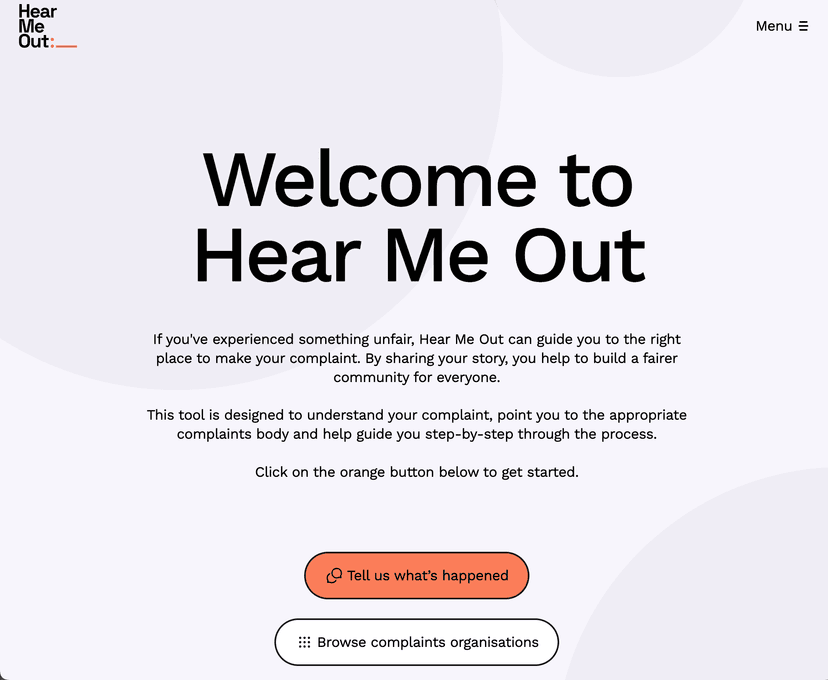
Hear Me Out
A free, AI-assisted platform that helps people in Australia describe their experience and get tailored guidance on where and how to lodge complaints, starting with NSW and Federal bodies and expanding to Victoria.
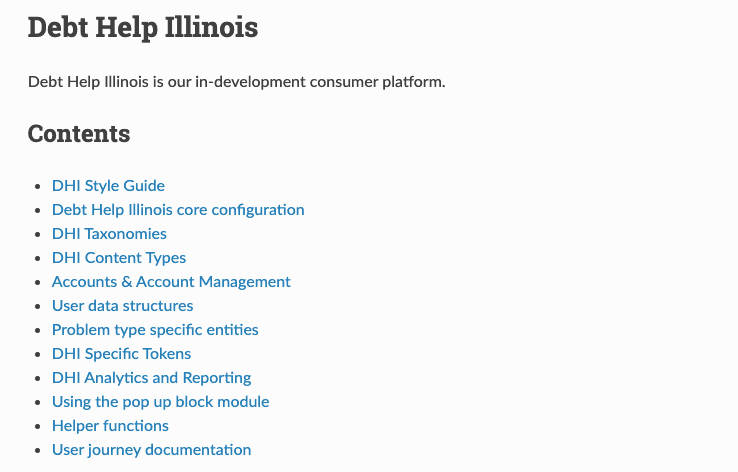
Debt Help IL
An AI-supported resource that provides Illinois consumers and community helpers with tailored legal and financial information to address debt proactively and reduce downstream harms.
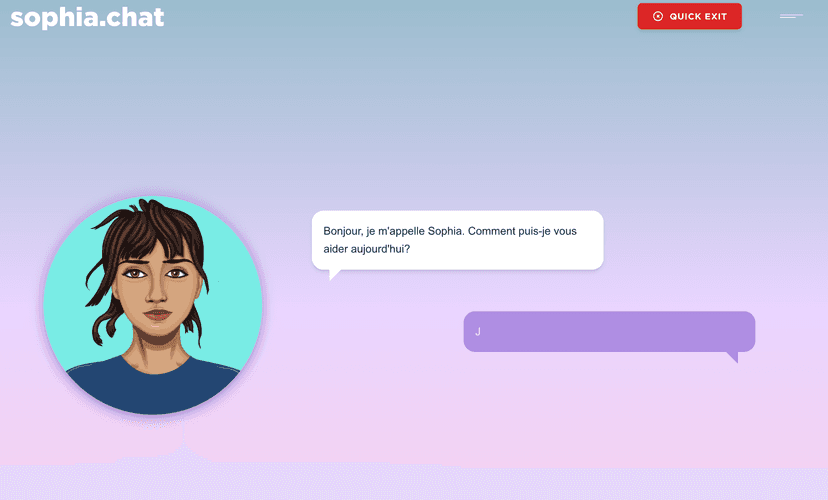
Sophia Chat
A confidential, 24/7 AI chatbot from Swiss NGO Spring ACT that provides expert-reviewed information on domestic violence, safety planning, legal options, and connections to local services—available anonymously worldwide in 25+ languages.
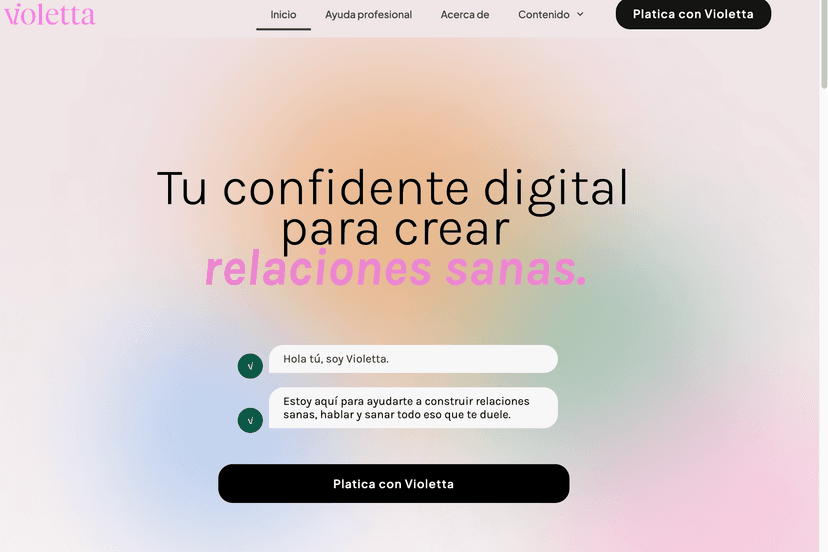
Violetta
A Spanish-language, supervised-ML WhatsApp chatbot that helps users name and understand relationship violence, get tailored guidance, and connect anonymously to human support (including the “Purple Line”) and legal resources in Mexico.
Legal Help Commons
Looking to implement this task? The Legal Help Commons has implementation playbooks, working groups, and shared tools.
Visit Commons ↗·Join a Working Group ↗Other Getting Brief Help Tasks


Added in vv0.1 · Modified in vv0.2