Courtroom5 AI-Assisted Legal Documents
A platform that helps self-represented litigants manage civil cases and generate first-pass filings through an AI-guided, rules-aware document workflow, paired with training, community support, and optional limited-scope lawyer review.


About This Project
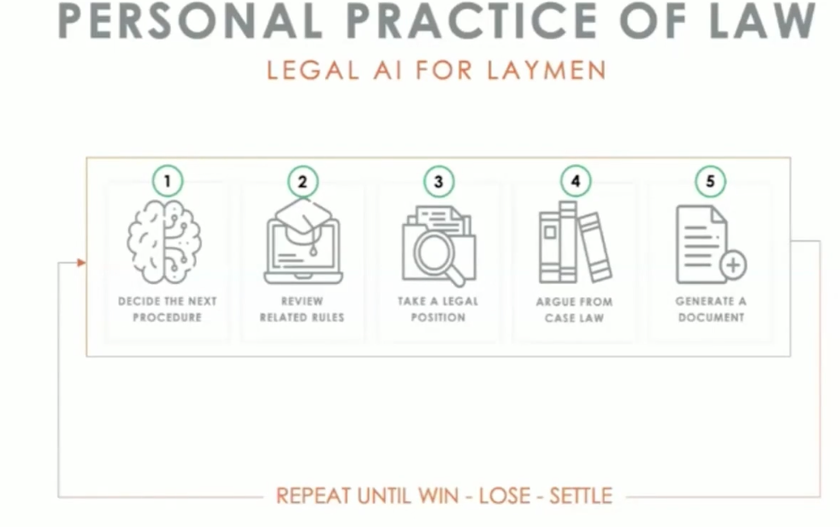
Courtroom5 provides legal automation for people handling civil matters without a lawyer in U.S. state and federal courts (e.g., debt collection, foreclosure, employment disputes, personal injury, civil rights, family law, probate). The service integrates generative AI across a structured, repeatable workflow that emphasizes civil-procedure compliance and user comprehension. Users begin by selecting a legal procedure (for example, a motion or response). The system then surfaces applicable jurisdictional rules, prompts a fact-pattern analysis to clarify the user’s objective, supports targeted legal research, and assembles a draft document from those inputs. Drafts are intended as starting points for user review and refinement.
Within the case workspace, users maintain a procedural history (filed/served documents and orders). AI summarization converts filings into plain-language explanations and highlights case posture, helping users evaluate options at each stage. Conversational guidance explains terminology and weighs procedural choices before drafting begins. For research, the assistant suggests long-tail keywords aligned to the user’s fact pattern and can produce lay summaries of cases the user selects. To reduce citation errors, argument text and authorities are restricted to opinions the user has explicitly viewed and saved for the document.
The platform’s document assembly is described as a five-step “personal practice of law”: choose a procedure; review rules; analyze facts; research supporting authority; generate a tailored draft. Guardrails (checklists, validations, and provenance constraints) are used to keep outputs within the selected rules, facts, and sources. Beyond drafting, Courtroom5 includes training content on litigation practice (evidence, courtroom logistics, advocacy basics), a member community for peer support, and a small network of lawyers available for limited-scope services such as quick advice or document review.
Courtroom5’s AI components are iterated in versions to track advances in large language models; the current release reflects a second major integration, with a third in development. The overall aim is to lower the effort required for procedurally sound filings while keeping legal judgment with the user (and any reviewing attorney), improving the quality and timeliness of self-representation under tight deadlines and complex rules.