Description
Legal help websites, packets, materials, and tools must keep up with frequent changes in laws, court rules, public policies, and available services. When laws shift—especially in high-impact areas like housing, benefits, or family law—public-facing content must be updated quickly to avoid misinformation and ensure people take the right actions.
This task focuses on a system that acts as a legal update monitor and content change assistant. It tracks authoritative sources of law—like state codes, court rules, administrative regulations, and government policy pages—and watches for meaningful changes. When something changes, the system flags which public-facing content might be affected, highlights the relevant portions, and proposes draft updates.
Rather than rely on manual scanning and patchwork knowledge, this system helps the provider move from reactive to proactive. It shows where language, steps, eligibility rules, or links need adjustment, and suggests revised text that reflects the new legal reality. It supports multiple jurisdictions and formats, from long-form guides to FAQ sections and triage tools.
This task is especially valuable for smaller teams maintaining large content libraries, or for multi-state platforms needing to keep pace with complex, asynchronous legal updates. It can also support translation and accessibility layers once changes are made.
Success means providers can update more content more accurately, more quickly—ensuring users get timely, trustworthy information even as the legal landscape shifts.
Quality Standards
What good performance looks like. Use these criteria to evaluate systems.
Change Detection Accuracy
- Correctly detects relevant legal updates from statutes, court rules, administrative bulletins, and agency notices
- Filters out irrelevant or procedural-only changes
- Identifies what part of the legal help content each change may impact
Content Mapping and Flagging
- Maps legal changes to affected guides, FAQs, triage flows, or interview scripts
- Flags both direct content (e.g. changed deadlines) and indirect content (e.g. guidance that depends on eligibility rules)
- Provides urgency levels or risk ratings for flagged items
Suggested Revisions and Drafting Quality
- Proposes revised content that reflects the legal change clearly and accurately
- Maintains original tone, readability, and plain language
- Notes where additional legal review or policy clarification may be needed
Expert Control and Review Tools
- Allows legal editors to review, edit, or approve changes efficiently
- Logs changes and preserves version history
- Includes notes, disclaimers, or citations for reviewer transparency
Speed and Timeliness
- Surfaces relevant changes within 24–72 hours of legal update publication
- Tracks how quickly flagged content is reviewed and updated
- Helps prioritize urgent or high-impact updates
Ongoing Monitoring and Coverage
- Continuously monitors all tracked legal sources and linked content
- Flags gaps in coverage (e.g. missing citations, outdated logic)
- Supports multi-jurisdiction workflows with customizable alerts
2 Projects Building This
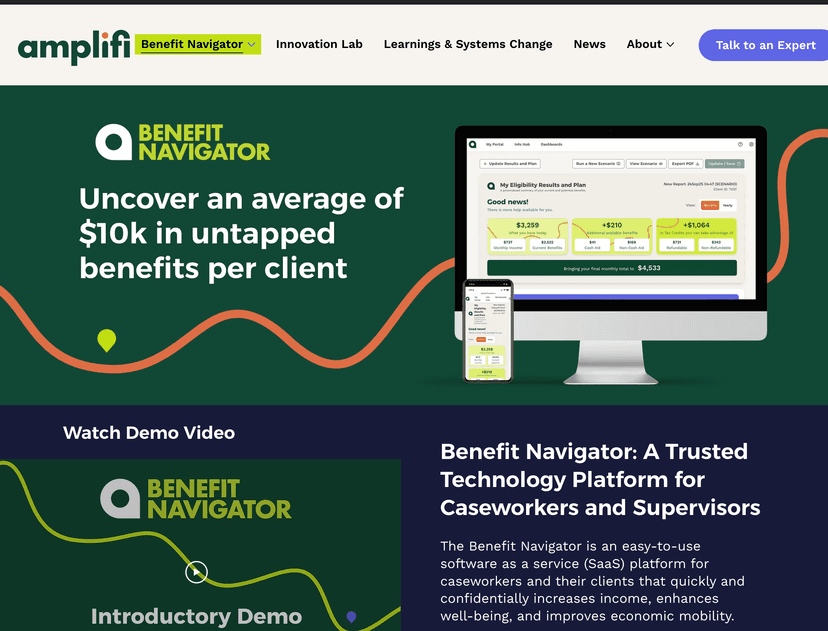
Benefit Navigator
A benefits screening and policy reference tool for case managers, with a chatbot over plain-language versions of program rules.

Project LACI
Project LACI (Legal Aid Content Intelligence) helps organizations maintain content that has legal information, including generative AI RAG materials, keeping them up to date with changes to the law.
Looking to implement this task? The Legal Help Commons has implementation playbooks, working groups, and shared tools.
Visit Commons ↗·Join a Working Group ↗Other Producing Legal Information Tasks


Added in vv0.1 · Modified in vv0.2